
Bug And Insect Prevention Strategies
People searching for bug and insect prevention strategies often want to keep pests away; local contractors can provide effective solutions tailored to their needs.
If pests like bugs and insects are becoming a concern around a property, exploring effective prevention strategies is a practical step for property owners. Whether dealing with seasonal invasions or ongoing issues, understanding how to keep these pests at bay can help maintain a comfortable and pest-free environment. This is where the expertise of local service providers specializing in bug and insect prevention can make a difference, offering tailored solutions to suit the specific needs of each property.
Property owners in the area often find that working with experienced local contractors provides valuable insight into the most effective prevention methods. These professionals can assess the property, identify potential entry points, and recommend targeted strategies to reduce insect activity. By connecting with knowledgeable local pros, property owners can access practical, effective approaches to bug and insect prevention that help protect their homes and outdoor spaces from unwanted pests.
- Residential Pest Prevention - homeowners seeking to reduce bug and insect issues around their property can rely on local contractors who implement targeted prevention strategies.
- Commercial Insect Control - businesses aiming to maintain a pest-free environment often work with local service providers to establish effective insect prevention plans.
- Perimeter Barrier Treatments - property owners wanting to create a protective barrier against insects can consult local pros skilled in applying barrier treatments around structures.
- Infestation Prevention Assessments - those concerned about recurring bug problems can have local contractors evaluate their property and recommend proactive prevention measures.
- Yard and Landscape Treatments - individuals looking to minimize insects in outdoor spaces can contact local service providers experienced in treating yards and gardens.
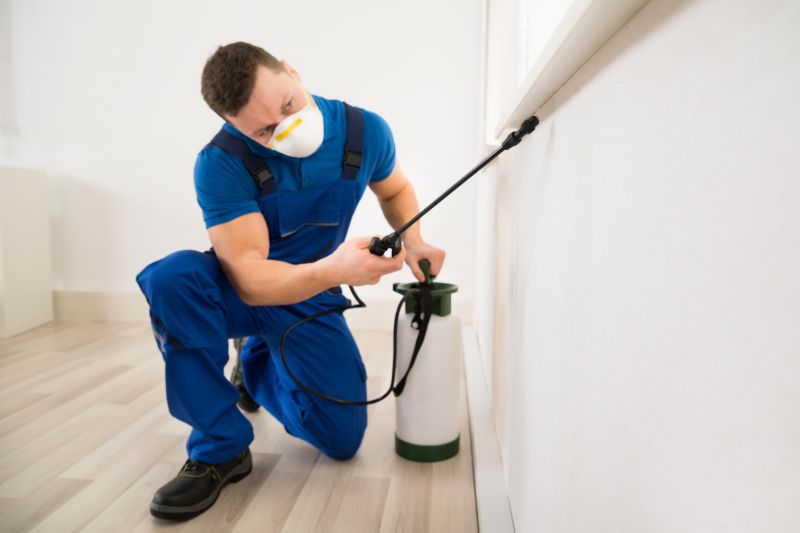
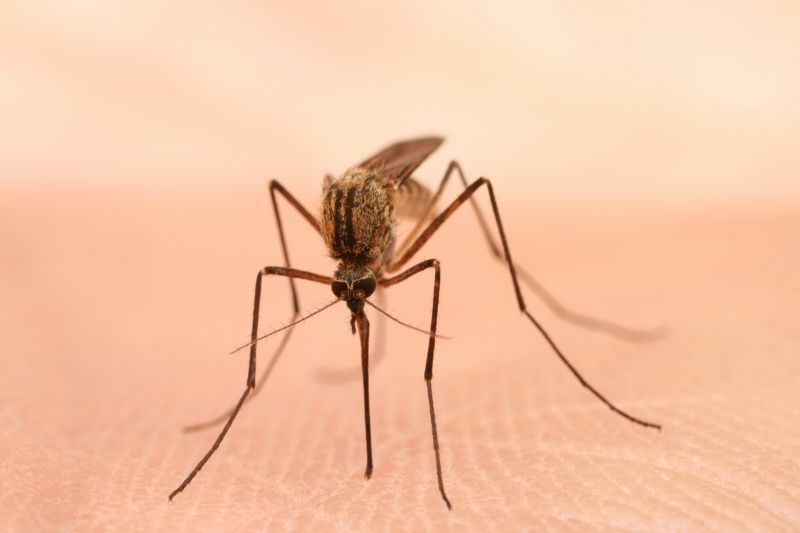
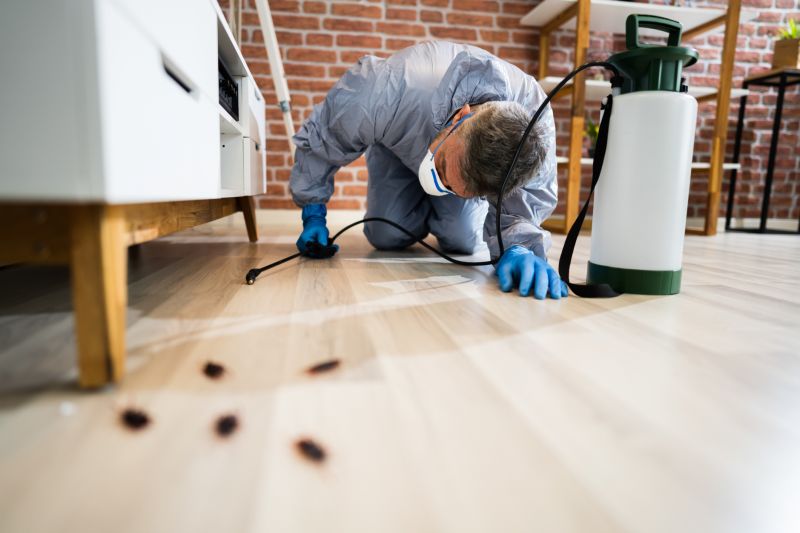
When people search for bug and insect prevention strategies, they are often looking for effective ways to keep pests out of their homes and properties. These searches typically stem from experiences with unwanted insects invading living spaces, causing discomfort, or creating concerns about health and hygiene. Homeowners may be interested in understanding how pests enter their properties, what conditions attract them, and what practical steps can be taken to reduce or eliminate infestations. The focus is usually on proactive measures that can be integrated into regular maintenance routines, as well as targeted treatments for existing problems.
Bug and insect prevention plans often involve a combination of physical barriers, environmental modifications, and sometimes chemical treatments. Common problems include insects finding entry points through cracks, gaps around doors and windows, or open vents. Other issues relate to standing water, clutter, or overgrown landscaping that provides shelter and breeding grounds. Homeowners frequently seek advice on how to identify vulnerable areas, what repairs or modifications are necessary, and how to implement ongoing prevention methods. These strategies are often tailored to specific pests, such as ants, mosquitoes, or termites, depending on local conditions and pest activity.
Properties that typically come up in discussions about bug and insect prevention include residential homes, especially those with yards or gardens, as well as multi-unit dwellings like apartments and condominiums. Commercial properties, such as restaurants, offices, and retail spaces, also face pest prevention challenges and may require specialized approaches. In addition, properties near wooded areas, water sources, or other natural habitats tend to have higher pest pressures and benefit from targeted prevention strategies. Homeowners with pets or children often prioritize pest control measures that are safe and effective, making the role of local service providers crucial for implementing integrated prevention plans.
Understanding how bug and insect prevention strategies connect to real projects involves recognizing the importance of assessing each property’s unique vulnerabilities. Local pros can perform inspections to identify entry points, attractants, and breeding sites, then recommend customized solutions. These can include sealing cracks, installing screens, removing debris, or managing landscaping to reduce pest habitats. Prevention efforts are most successful when integrated into regular property maintenance, helping to create less inviting environments for pests. Connecting with experienced service providers ensures that homeowners receive practical, tailored advice and effective treatment options to protect their properties from unwanted pests.
Pest Control Planning - this involves developing strategies to prevent bugs and insects, requiring skills in site assessment and treatment planning that local service providers can handle.
Home Inspection Services - inspectors identify entry points and attractants for insects, supporting bug prevention efforts through thorough property evaluations performed by local contractors.
Landscape Management - managing yard and garden conditions can reduce insect habitats, with local pros offering services that complement bug and insect prevention strategies.
Barrier Installation Projects - installing screens, sealants, or physical barriers to block insect entry involves planning and execution skills that local service providers possess.
Sanitation and Waste Management - improving trash disposal and sanitation practices helps prevent insect infestations, with local contractors able to implement effective solutions.
Structural Repair Projects - fixing cracks, gaps, and other entry points in buildings supports insect prevention, requiring skilled labor from local service providers.
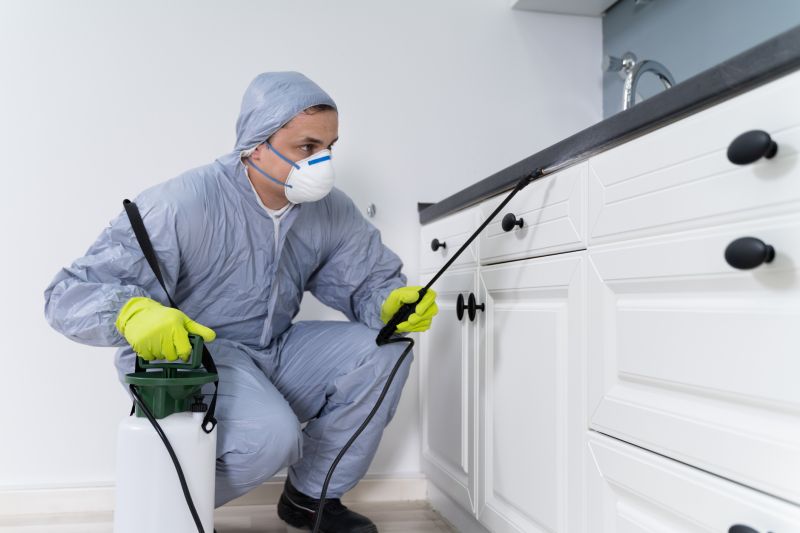
When comparing service providers for bug and insect prevention strategies, it is important to consider their experience with similar projects. A contractor with a proven track record in pest prevention can demonstrate familiarity with common issues and effective solutions tailored to local conditions. Asking about past work on properties comparable in size and type can provide insight into their ability to handle the specific challenges of your home. An experienced local contractor is more likely to understand the common pest behaviors and environmental factors that influence insect activity, which can lead to more effective prevention strategies.
Clear, written expectations are essential when evaluating potential service providers. A reputable local contractor should be able to provide detailed descriptions of their approach, including the scope of work, methods used, and any follow-up procedures. Having this information in writing helps ensure that both parties are aligned on what will be done and prevents misunderstandings. It also allows homeowners to compare different proposals more objectively, focusing on the specifics of each plan rather than vague promises or assumptions.
Good communication and reputable references are key indicators of a reliable pest prevention service provider. A professional contractor should be willing to share references from previous clients who can speak to their experience and results. Additionally, clear and responsive communication during the initial consultation can reveal how well the contractor understands the homeowner’s concerns and how effectively they convey their plan. Service providers who prioritize transparent dialogue and have positive references are generally more dependable when it comes to implementing and maintaining effective bug and insect prevention strategies.
Property owners often search for bug and insect prevention strategies when they are planning practical projects around their homes and businesses. Local pros provide Bug and Insect Prevention services for everyday jobs and straightforward project options.
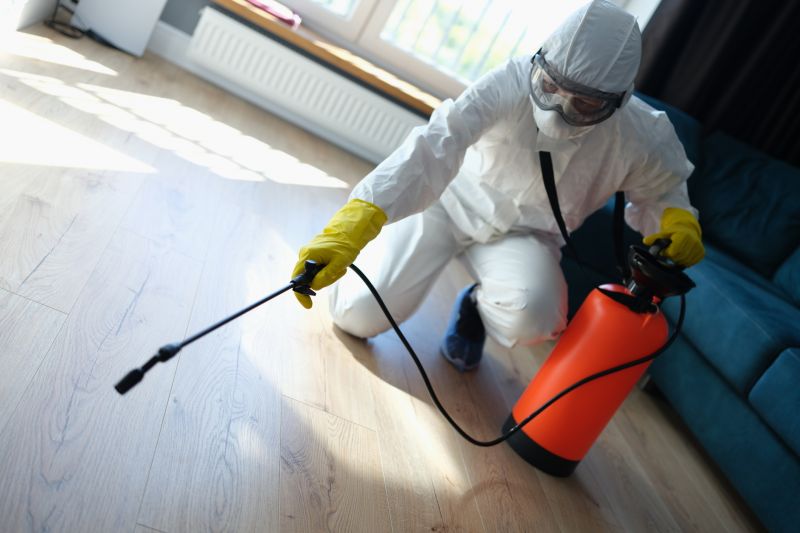
Bug and insect prevention strategies are a common concern for property owners looking to maintain a comfortable and pest-free environment. Simple measures such as sealing entry points, removing standing water, and maintaining landscaping can significantly reduce the likelihood of infestations. When these basic steps are not enough, many homeowners and business owners turn to local contractors who specialize in pest prevention. These service providers can assess specific property conditions and implement targeted solutions to keep bugs and insects at bay, helping to avoid potential nuisances or health issues.
In many cases, property owners seek professional assistance to develop more comprehensive bug and insect prevention plans. Local experts can offer advice on effective barriers, treatments, and ongoing maintenance routines that are tailored to the unique needs of each property. Connecting with experienced service providers ensures that preventative measures are both effective and appropriate, providing peace of mind that the property is protected against common pests.
What are effective bug and insect prevention strategies? Local service providers can implement a combination of sealing entry points, removing standing water, and applying barrier treatments to reduce insect intrusion and prevent infestations.
How can I reduce pests around my home or business? Professionals often recommend maintaining cleanliness, trimming vegetation away from structures, and installing screens or barriers to keep bugs and insects out.
Are there specific methods to prevent common pests like ants or mosquitoes? Yes, local contractors may use targeted treatments, habitat modification, and exclusion techniques to control and prevent specific pests such as ants or mosquitoes.
What maintenance practices support bug and insect prevention? Regular inspections, debris removal, and timely repairs to screens and seals help maintain effective prevention strategies provided by local service providers.
Can local pros help with ongoing insect prevention? Yes, many service providers offer ongoing prevention plans that include routine inspections, barrier treatments, and habitat management to keep pests at bay.
Sealing Entry Points - Property owners can work with local contractors to identify and seal gaps around windows, doors, and utility openings to prevent insects from entering.
Maintaining Yard Cleanliness - Regularly clearing debris, leaves, and standing water can reduce insect habitats, with local pros offering advice on landscaping and yard maintenance.
Installing Physical Barriers - Installing screens, door sweeps, and mesh covers can provide effective physical barriers against bugs, with local service providers assisting in proper installation.
Applying Preventive Treatments - Professional pest control services can apply targeted treatments around the perimeter of a property to deter insects before they become a problem.
If you are thinking about bug and insect prevention strategies for a property, this guide is meant to help you understand this topic, the typical project types, and how different options might fit your plans.
When you are ready, you can use the quote form on this page to share a few details about your project. From there, local pros can review the basics and follow up with options that match what you have in mind.