
Signs You Have a Stinkbug Infestation Indoors
If you're noticing signs you have a stinkbug infestation indoors, local contractors can provide effective treatment options to eliminate the pests and prevent future invasions.
Discovering signs you have a stinkbug infestation indoors can be unsettling, especially for property owners concerned about unwanted pests entering their homes. Common indicators include seeing clusters of these insects near windows, doors, or light fixtures, as well as noticing a distinct, unpleasant odor when they are disturbed or crushed. Recognizing these early warning signs can help prevent a minor nuisance from turning into a larger problem, making it worthwhile to explore effective treatment options. Local contractors experienced in stinkbug infestation treatment can provide tailored solutions to eliminate these pests and prevent future invasions, offering peace of mind for homeowners and property managers alike.
Understanding what to look for can empower property owners to take proactive steps in managing a stinkbug presence. In addition to visual sightings and odor clues, signs such as small piles of dead insects in window sills or around light sources may also point to an ongoing issue. Addressing these concerns promptly with the assistance of skilled service providers can help safeguard indoor spaces from persistent infestations. Connecting with local experts who specialize in stinkbug treatment ensures that appropriate, targeted measures are taken to resolve the situation efficiently and effectively.
- Inspection services - when homeowners notice an increase in stinkbugs indoors and want to identify entry points, local contractors perform thorough inspections to locate infestations.
- Infestation treatment - if signs of a stinkbug problem become evident, service providers apply targeted treatments to eliminate the pests and prevent further intrusion.
- Sealing and exclusion - upon detecting signs of entry, local pros can help seal cracks and gaps around windows, doors, and vents to block future invasions.
- Preventive pest control - when ongoing signs of stinkbugs appear, pest control specialists develop plans to reduce the likelihood of recurring infestations indoors.
- Follow-up assessments - after initial treatment, local contractors may conduct follow-up inspections to ensure that signs of stinkbug activity have been resolved.
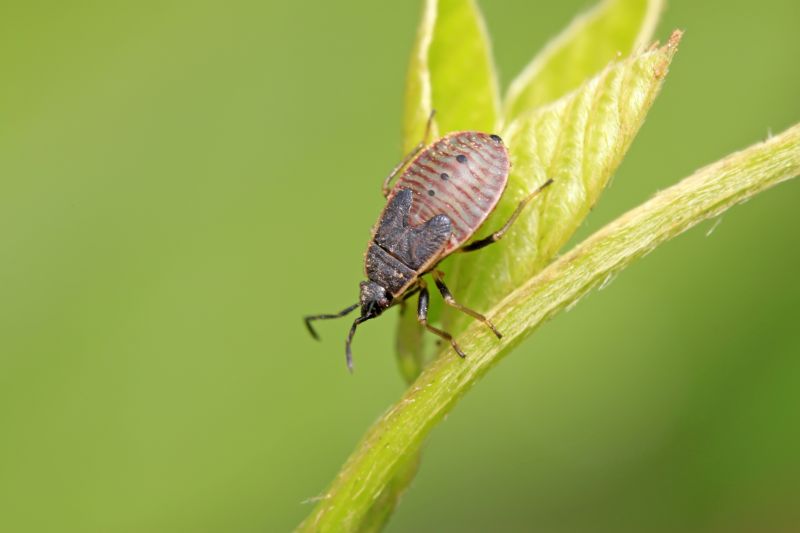
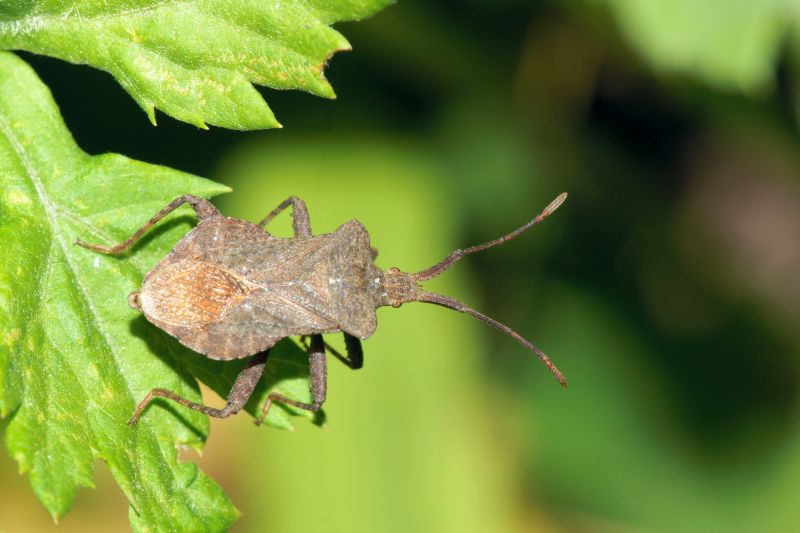
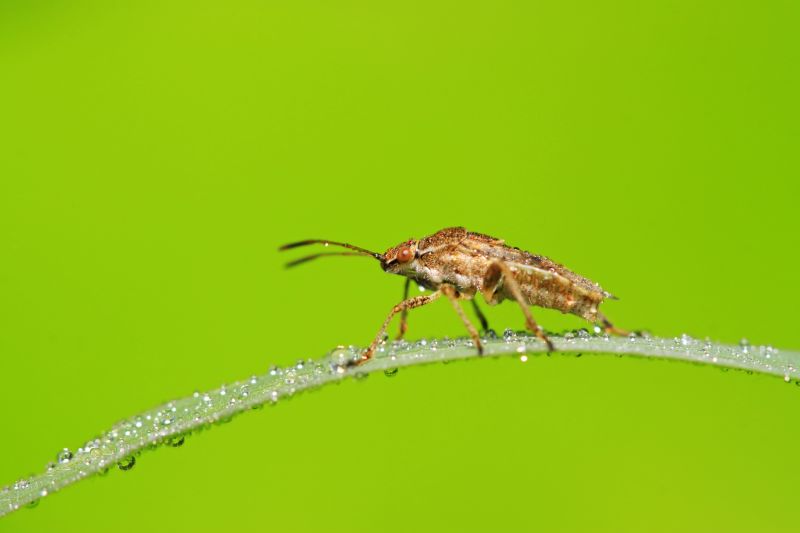
When people search for signs you have a stinkbug infestation indoors, they are usually trying to identify whether these pests have entered their homes or buildings. Stinkbugs are known for seeking shelter during colder months, often finding their way inside through small cracks, gaps, or open windows. Homeowners may notice an increase in the number of these insects inside, especially during seasonal transitions. Recognizing early signs can help prevent a larger infestation and make it easier to manage the problem before it becomes more difficult to control.
This topic is closely related to concerns about property comfort and pest control plans. A stinkbug infestation can lead to nuisance issues, as the insects tend to gather in large groups and can become a persistent presence in living spaces. While they do not typically cause structural damage, their presence can be unsettling and may lead to unpleasant odors if they are crushed or disturbed. For property owners, understanding the signs of an infestation helps inform decisions about pest management strategies, and it highlights the importance of professional treatment options to effectively eliminate the problem.
Properties that are most commonly affected by stinkbug intrusions include residential homes, especially those with entry points near doors, windows, or vents. Multi-family dwellings, such as apartment complexes, can also experience infestations if multiple units have access points or shared walls with gaps. Additionally, light-colored or poorly sealed buildings tend to attract these insects more easily. Commercial properties, especially those with food storage or processing areas, might also encounter stinkbugs, although they are primarily a concern for residential spaces. Recognizing which types of properties are most vulnerable can help homeowners and property managers take proactive steps to seal entry points and work with local service providers for targeted treatments.
Identifying signs you have a stinkbug infestation indoors involves more than just spotting the insects themselves. Common indicators include finding dead or live stinkbugs clustered around windows, door frames, or light fixtures. A telltale sign is the strong, unpleasant odor that emanates when the insects are crushed or disturbed. You might also notice shed skins or egg clusters in hidden corners, cracks, or behind furniture. Understanding these signs allows property owners to assess whether an infestation is present and to seek the assistance of local contractors who specialize in stinkbug treatment. These professionals can help implement sealing, exclusion, and treatment methods to remove the pests and prevent future invasions.
Pest inspection services - professionals skilled in identifying signs of indoor infestations, including stinkbugs, can help determine the extent of the problem and recommend appropriate treatment options.
Home sealing and repair projects - local contractors can assist with sealing entry points and cracks that stinkbugs use to invade indoor spaces, helping prevent further infestations.
Insect trapping and exclusion services - specialists can set up traps or install barriers to reduce stinkbug populations and prevent them from entering living areas.
General pest control treatments - experienced service providers can apply targeted treatments to eliminate stinkbugs and control their presence inside the home.
Structural inspection services - experts can assess the building's exterior and interior for vulnerabilities that may allow stinkbugs to enter and recommend repairs.
Home maintenance and repair projects - local pros can assist with weatherproofing and sealing work that minimizes indoor stinkbug activity and improves overall home integrity.
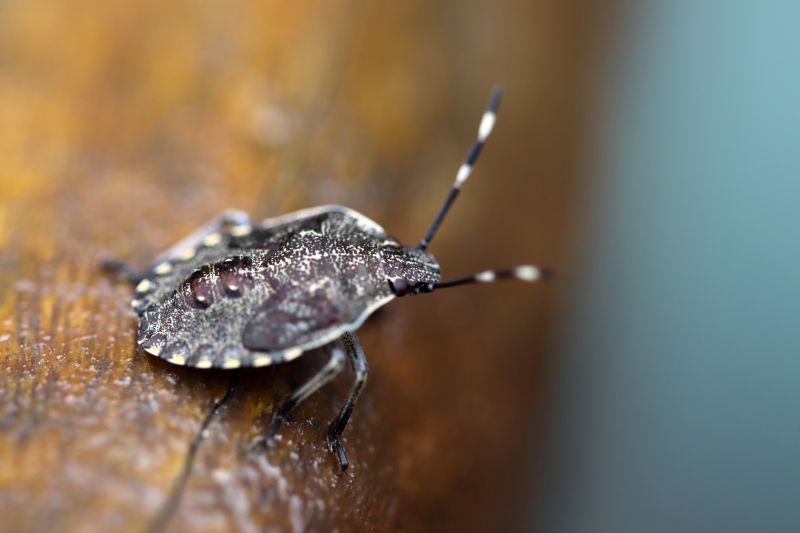
When comparing service providers for stinkbug infestation treatment, it is important to consider their experience with similar projects. Homeowners should look for local contractors who have a proven track record in managing indoor pest issues, particularly with stinkbugs or similar insects. An experienced professional will understand the common signs of an infestation and be familiar with effective treatment methods, helping to ensure the problem is addressed thoroughly and efficiently. Asking for references or examples of past work can provide insight into their expertise and success in handling indoor pest control challenges.
Clear written expectations are essential when evaluating local contractors. Homeowners should seek providers who can outline the scope of work, the methods they plan to use, and any preparations or follow-up actions required. This transparency helps prevent misunderstandings and ensures that both parties are aligned on what will be done to eliminate the infestation. Well-defined expectations also make it easier to assess whether the service provider’s approach matches the homeowner’s concerns and preferences.
Effective communication plays a crucial role in choosing the right pest control service. Reputable local contractors are typically responsive, willing to answer questions, and able to explain their treatment plans in understandable terms. Good communication helps homeowners feel confident about the process and provides a point of contact should any issues arise during or after treatment. Prioritizing service providers who are transparent and approachable can lead to a smoother experience and better results when dealing with signs of a stinkbug infestation indoors.
Property owners often search for signs you have a stinkbug infestation indoors when they are planning practical projects around their homes and businesses. Local pros provide Stinkbug Infestation Treatment services for everyday jobs and straightforward project options.
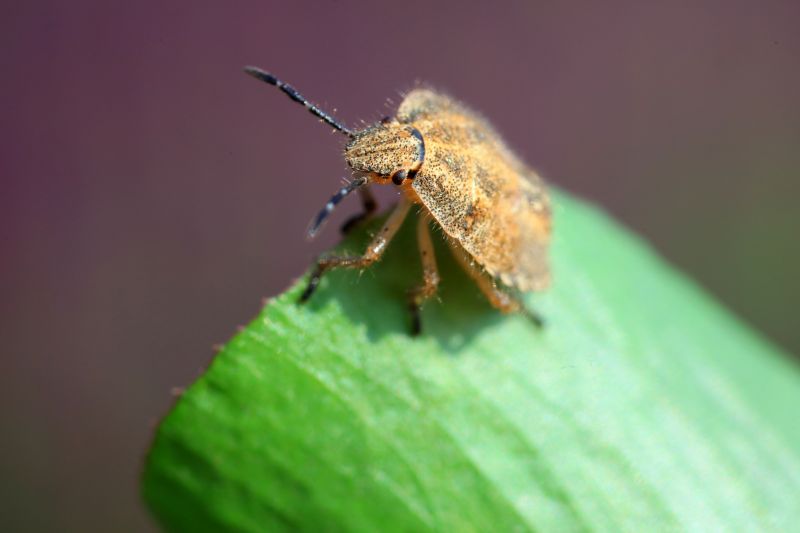
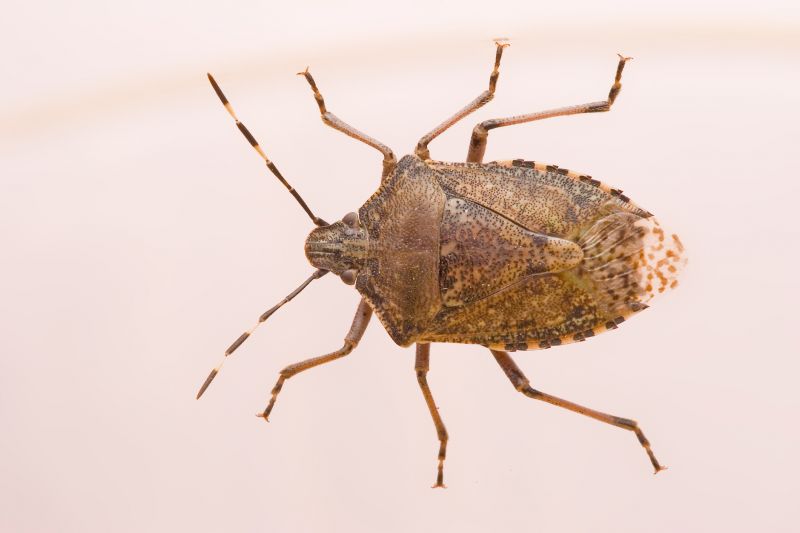
Identifying signs you have a stinkbug infestation indoors is an important step for property owners in the area. Common indicators include the presence of these insects around windows, door frames, or other entry points, especially during seasonal changes when they seek warmth inside. You might notice clusters of stinkbugs on walls or ceilings, or detect a foul odor if a bug is accidentally crushed. Recognizing these signs early can help prevent a minor nuisance from turning into a larger problem, prompting property owners to seek assistance from local contractors experienced in stinkbug treatment.
When signs of an indoor stinkbug problem are evident, property owners often look for effective treatment options to eliminate the infestation. Local service providers specializing in pest control can assess the situation and implement targeted solutions to remove these pests and prevent future entries. Engaging experienced contractors ensures that the infestation is handled thoroughly and efficiently, helping to restore comfort and peace of mind inside the property.
What are common signs indicating a stinkbug infestation indoors? Visible stinkbugs on walls, windows, or light fixtures, especially during certain seasons, can signal an infestation. Other signs include a strong, musty odor and the presence of shed skins or dead bugs in corners and window sills. Local contractors can help identify these signs and assess the severity of the problem.
How can I tell if stinkbugs are entering my home? Signs include finding stinkbugs near entry points like doors, windows, or vents, and noticing them gathering around lights or in dark corners. If you detect frequent sightings indoors, local service providers can evaluate entry points and suggest effective sealing or treatment options.
Are there specific areas where stinkbugs tend to congregate during an infestation? Stinkbugs often gather in warm, sheltered spots such as window frames, doorways, attics, and behind wall voids. Noticing clusters in these areas can indicate an infestation, and local pros can perform targeted treatments to eliminate them.
What should I do if I find dead stinkbugs inside my home? The presence of dead stinkbugs may suggest ongoing activity or a recent invasion. Removing the dead bugs and inspecting for additional signs of activity can help determine if an infestation persists. Local contractors can provide treatment services to address the issue effectively.
Can a stinkbug infestation be identified without professional help? While some signs can be noticed by homeowners, accurate identification and assessment of an infestation often require the expertise of local service providers. They can confirm the presence of stinkbugs and recommend appropriate treatment measures.
Unusual insect activity - noticing an increase in stinkbugs inside the home can indicate an infestation that requires professional treatment from local contractors.
Damaged or wilted plants - observing damage to indoor or nearby houseplants may suggest stinkbugs have entered the space, prompting a consultation with local pros.
Strange odors or carcasses - detecting a musty smell or finding dead stinkbugs indoors can be signs that a pest control specialist is needed to address the problem.
Hiding spots in cracks and crevices - seeing stinkbugs gather in wall cracks or around windows can help property owners identify areas where local service providers can focus pest removal efforts.
If you are thinking about signs you have a stinkbug infestation indoors for a property, this guide is meant to help you understand this topic, the typical project types, and how different options might fit your plans.
When you are ready, you can use the quote form on this page to share a few details about your project. From there, local pros can review the basics and follow up with options that match what you have in mind.